
When to worry: symptoms that mean call the vet
4 min read
Most of the time, a slightly-off day resolves on its own. But some signs mean don't wait. Here's how to tell the difference.
Call now / go to the ER
- Difficulty breathing, choking, or nonstop distressed panting at rest
- A hard, swollen, or bloated belly, especially with unproductive retching (possible bloat — fast and fatal in big, deep-chested dogs)
- Collapse, fainting, or sudden weakness
- Repeated vomiting or diarrhea, especially with blood
- Pale, white, or blue gums
- Seizures, or sudden disorientation
- Suspected poisoning
- Straining to urinate with little or nothing coming out
- A serious injury, heavy bleeding, or being hit by a car — even if they seem fine (internal injuries hide)
- Signs of severe pain — crying, trembling, hunching, or snapping when touched
Call today (same day)
- Vomiting or diarrhea lasting more than ~24 hours, or any in a young puppy or senior
- Not eating for more than a day
- Limping that doesn't improve, or a new swelling
- A squinting, painful, or injured eye
- Drinking or peeing a lot more than usual
The rule that never fails
When in doubt, call. A good clinic would always rather answer a worried question than miss a sick dog. You won't be "that annoying client" — you'll be a prepared owner.
Educational only, and not a substitute for your vet's judgment on your specific dog.
Gear Kerri recommends
A few things that make this easier. As an Amazon Associate, Floyd's Love earns from qualifying purchases — at no extra cost to you.
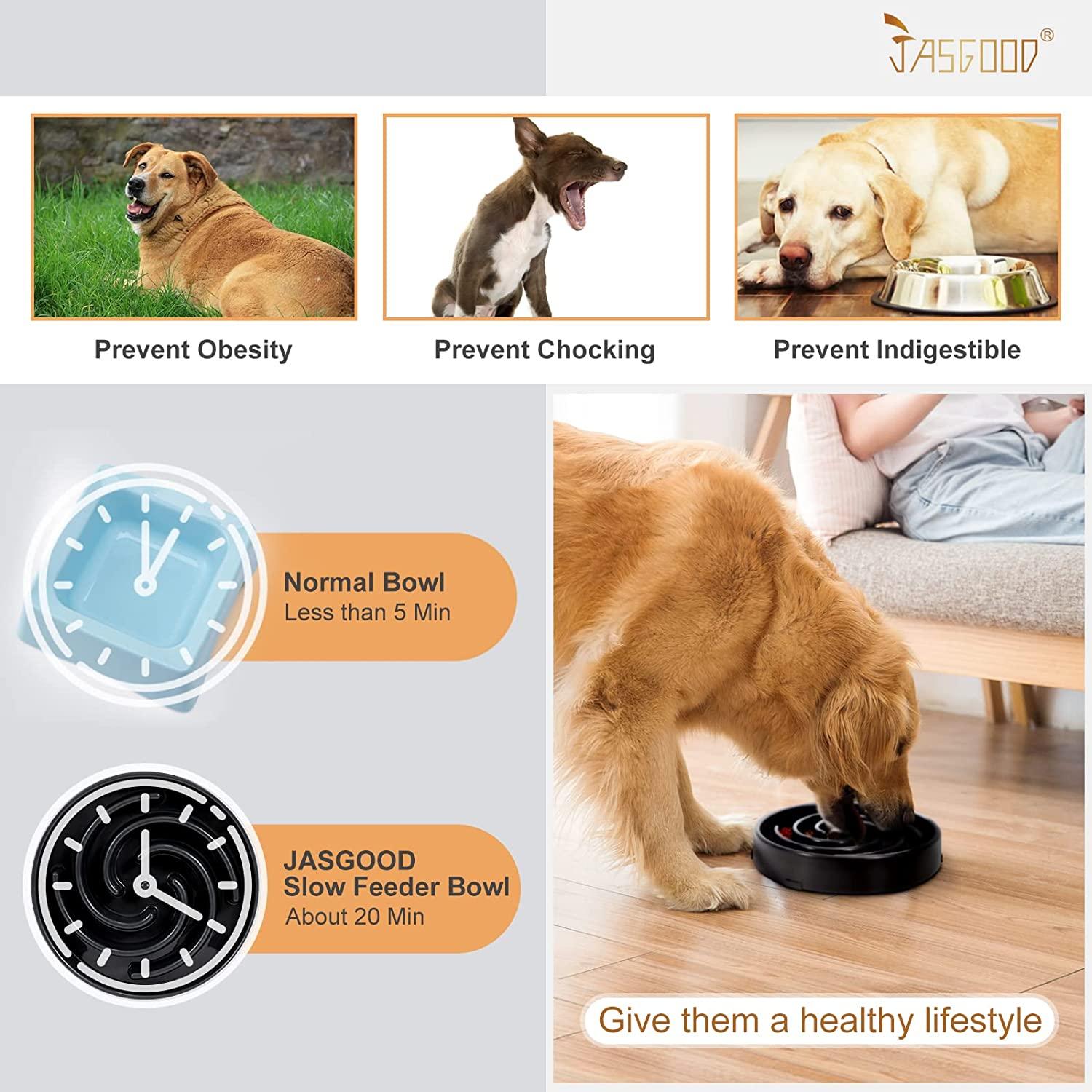
JASGOOD Slow Feeder Dog Bowl
Helps prevent rapid eating, which is a significant risk factor for bloat in deep-chested dogs.
Shop this
FDK 8-Second Dog & Cat Thermometer
Provides a quick, accurate way to check for a fever at home when your dog is acting off or lethargic.
Shop this
Oxyfresh Advanced Ear Cleanser for Dogs & Cats
A gentle, vet-approved ear cleaner that helps remove wax and debris without the use of harsh chemicals.
Shop thisWalkin' Pet Transport Stretcher for Dogs
Allows for the safe and stable transport of a dog experiencing collapse, unconsciousness, or internal injuries from a car accident.
Shop this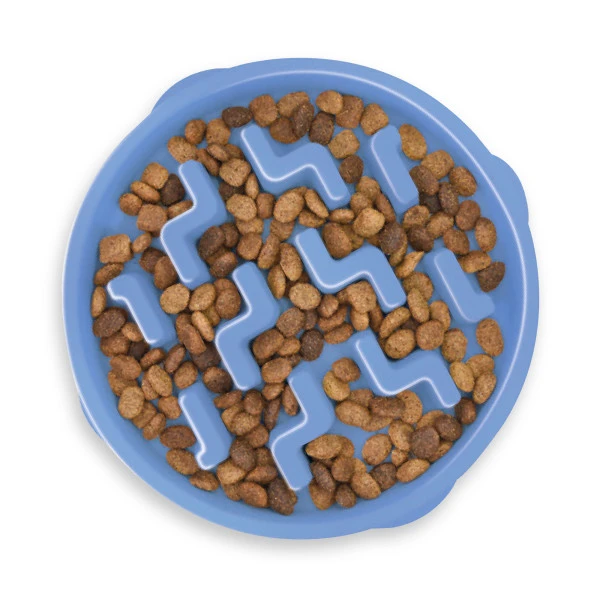
Outward Hound Fun Feeder Slo Bowl
A critical preventative tool for deep-chested breeds to help avoid Bloat (GDV) by slowing down eating and reducing air ingestion.
Shop this
Baskerville Ultra Muzzle
Ensures handler safety when moving a dog that may bite instinctively due to the intense pain of a seizure, fracture, or trauma.
Shop thisFloyd's Love is educational. Our lessons, breed guides, and personalized assessments are for general information and preparation only — they are not a substitute for professional veterinary care or advice from a qualified veterinarian or animal behaviorist. Always consult your vet for medical concerns and a qualified professional for behavior issues.