
Vomiting and diarrhea: what's normal and what's not
4 min read
Upset stomachs are one of the most common reasons owners worry — and most single episodes aren't emergencies. Here's how to handle it calmly and know when it's more.
When it's probably okay to watch
A single vomit or one loose stool in a dog who's otherwise bright, drinking, and acting normal is often just a stomach that disagreed with something. Watch closely for 12–24 hours.
Simple home care for a mild upset
- Hold food for a few hours (not water) to let the stomach settle — but skip fasting for puppies and tiny breeds.
- Reintroduce small amounts of a bland meal (plain boiled chicken and white rice), building back to normal over a couple of days.
- Keep fresh water available; small frequent sips beat a big gulp.
When to stop watching and call
- Blood in vomit or stool (fresh red, or black and tarry)
- More than a couple of episodes, or it lasts beyond ~24 hours
- A bloated or painful belly, or unproductive retching (possible bloat — emergency)
- Lethargy, weakness, or refusing water
- A puppy, senior, or dog with a health condition — they dehydrate fast, so call sooner
- You suspect they ate something they shouldn't have (a toy, a bone, a toxin)
Do this now
Keep a note of when it started, what came up, and anything they might have eaten — it helps your vet enormously.
General guidance only; when in doubt, your vet is the call.
Gear Kerri recommends
A few things that make this easier. As an Amazon Associate, Floyd's Love earns from qualifying purchases — at no extra cost to you.
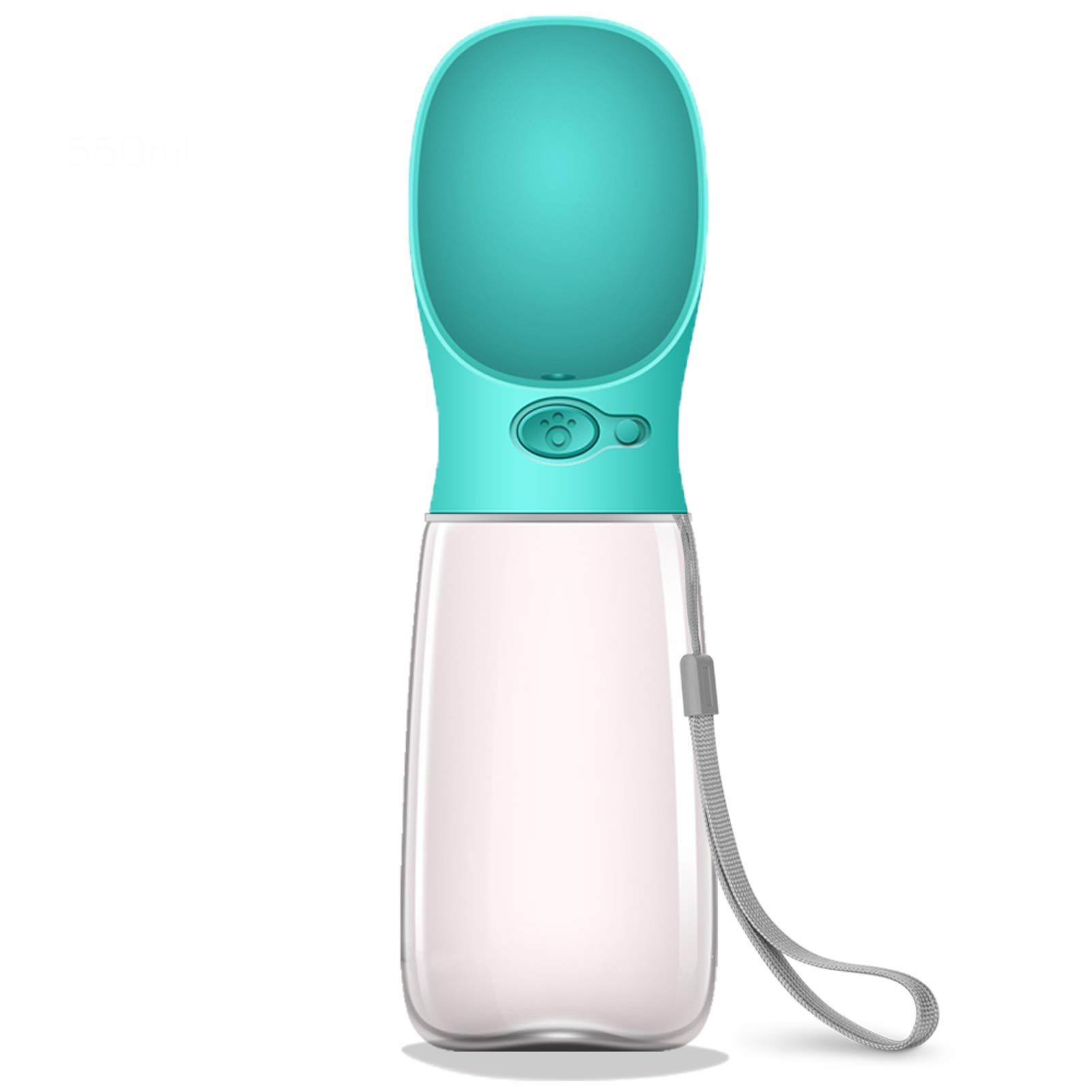
MalsiPree Leak Proof Portable Dog Water Bottle
A leak-proof, one-handed water dispenser, rated highly in [Best Dog Water Bottles of 2026](https://www.treelinereview.com/gearreviews/best-dog-water-bottles), makes it easy to keep your dog hydrated during practice drives and long journeys.
Shop this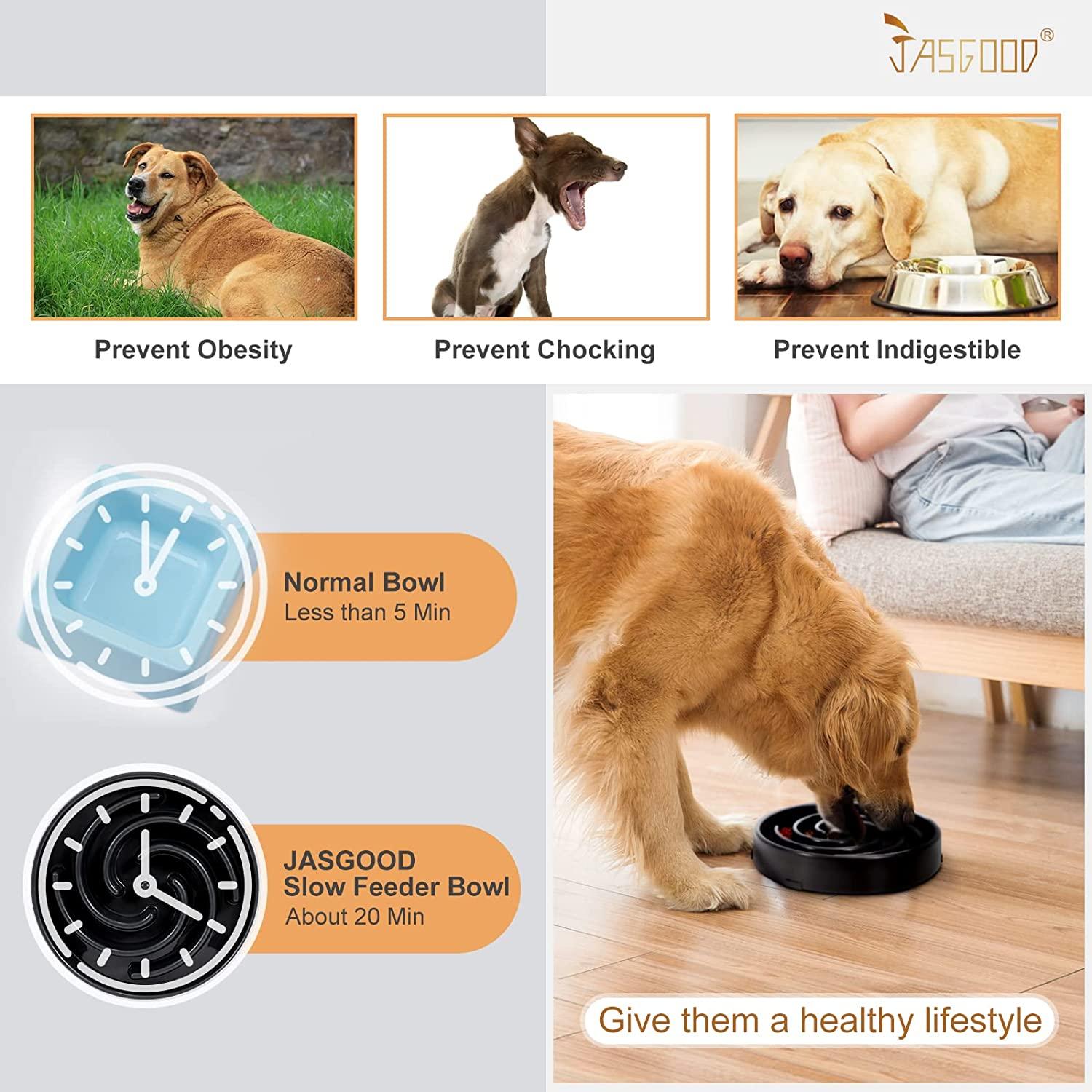
JASGOOD Slow Feeder Dog Bowl
Helps prevent rapid eating, which is a significant risk factor for bloat in deep-chested dogs.
Shop thisMagnetic List of Toxic & Safe Plants and Foods for Pets
Keep the pet poison hotline numbers and a list of common culprits like xylitol and grapes visible on your fridge for the instant reference this guide recommends.
Shop this
My Dog is Home Alone Pet Alert Emergency ICE ID Card
Ensures your vet and emergency contact information are always in your wallet so you can call for help immediately during a crisis.
Shop this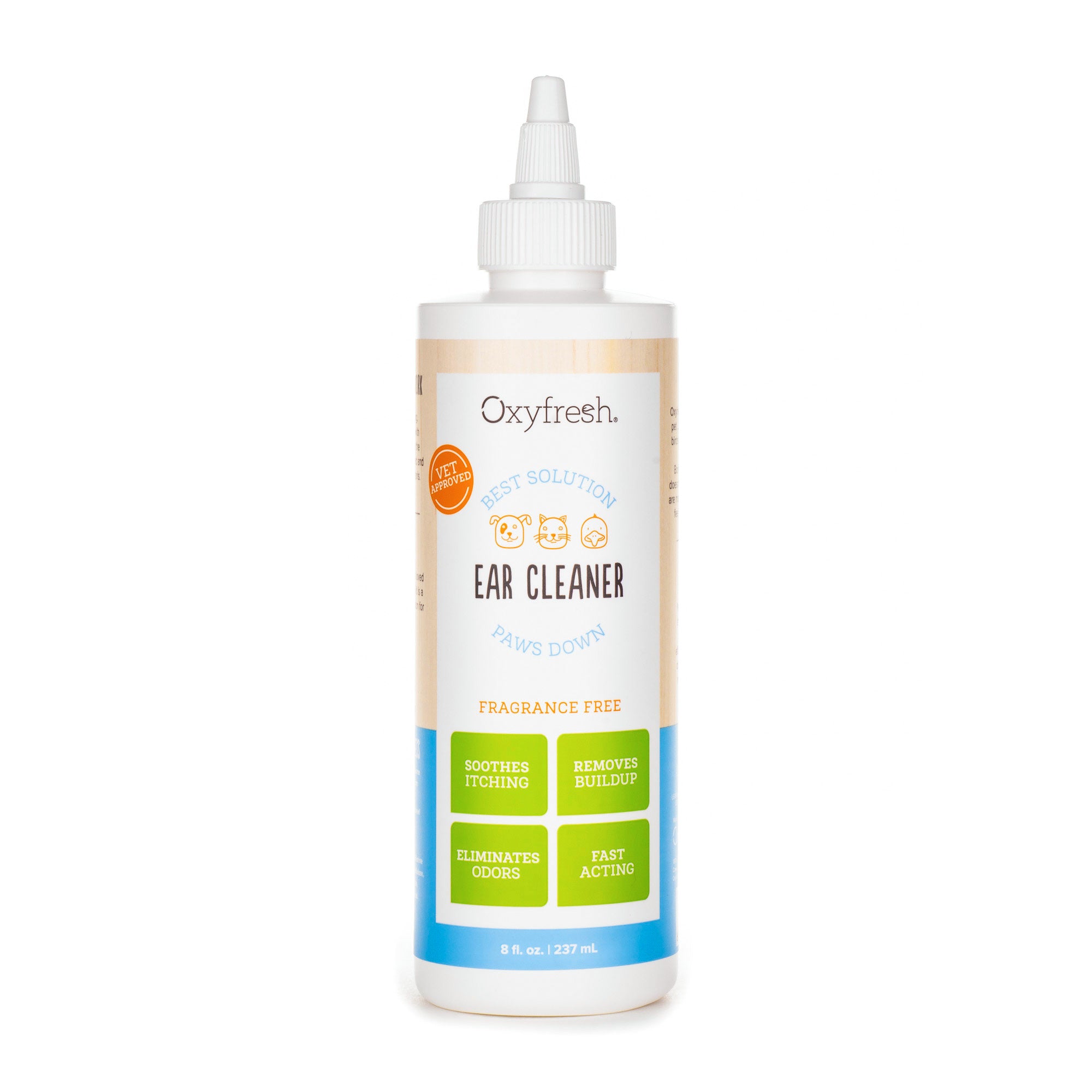
Oxyfresh Advanced Ear Cleanser for Dogs & Cats
A gentle, vet-approved ear cleaner that helps remove wax and debris without the use of harsh chemicals.
Shop this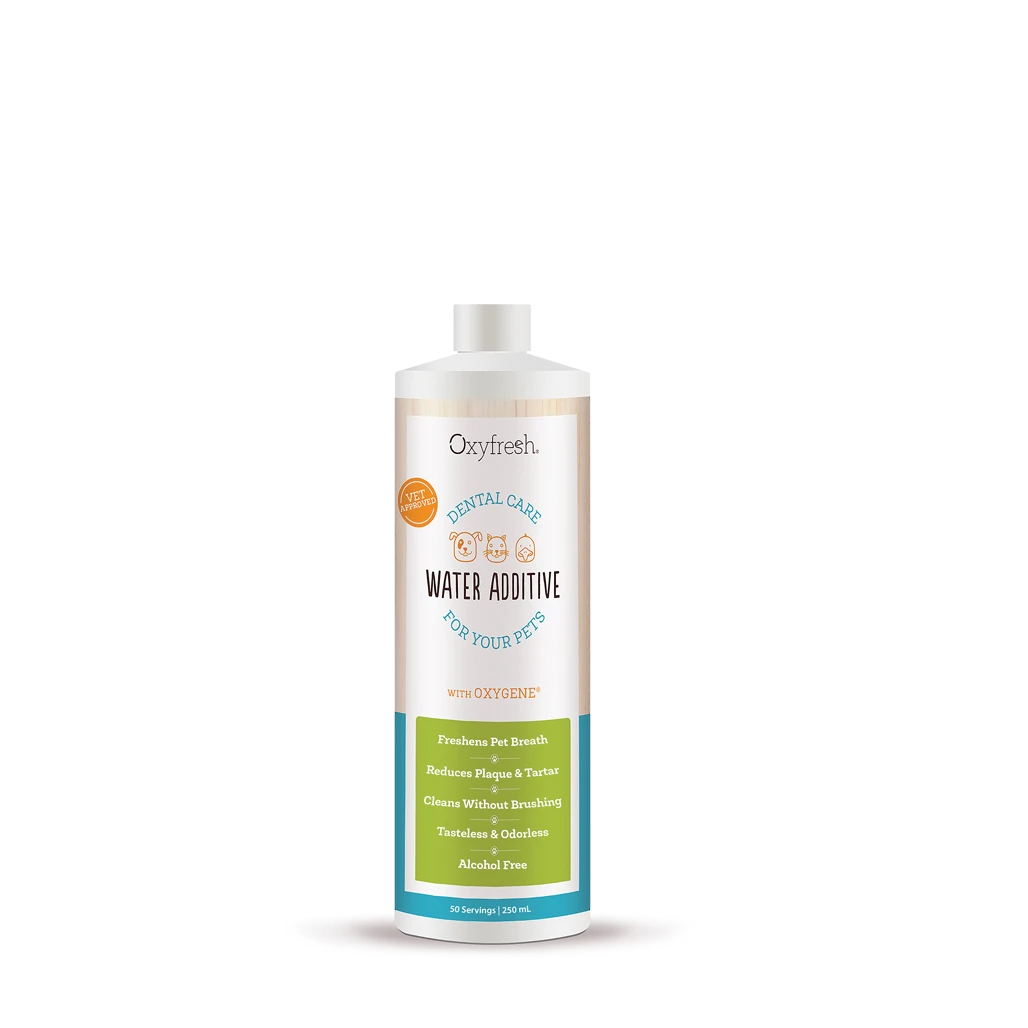
Oxyfresh Premium Pet Dental Care Solution
A simple supplement to brushing that helps fight bacteria and bad breath, which the content notes is a key sign of dental problems.
Shop thisFloyd's Love is educational. Our lessons, breed guides, and personalized assessments are for general information and preparation only — they are not a substitute for professional veterinary care or advice from a qualified veterinarian or animal behaviorist. Always consult your vet for medical concerns and a qualified professional for behavior issues.