
Poisoning: what to do first
3 min read
If you think your dog ate something toxic, stay calm and move fast — the first few minutes matter.
Do this, in order
- Remove your dog from the source and take away anything left.
- Note what, how much, and when. Grab the packaging, the plant, or a photo — your vet will need it.
- Call for help immediately — your vet, the nearest ER, or a pet poison hotline. Have the details ready.
- Do exactly what they tell you.
Do NOT
- Do not make your dog vomit unless a vet specifically tells you to. With some substances (caustic cleaners, petroleum products) vomiting causes more damage.
- Do not give home remedies — milk, salt, hydrogen peroxide — without professional direction.
- Do not wait for symptoms. Many poisons (xylitol, grapes, antifreeze) do their worst before you'd see signs.
Common culprits
Chocolate, xylitol (sugar-free gum and some peanut butters), grapes and raisins, onions and garlic, human medications, rodent poison, antifreeze, and several common plants. See the Toxic Foods & Plants list for details.
Do this now
Save a pet poison hotline number in your phone today, next to your vet and ER clinic.
Educational only. In a suspected poisoning, a real-time call to a professional is always the right move.
Gear Kerri recommends
A few things that make this easier. As an Amazon Associate, Floyd's Love earns from qualifying purchases — at no extra cost to you.
Magnetic List of Toxic & Safe Plants and Foods for Pets
Keep the pet poison hotline numbers and a list of common culprits like xylitol and grapes visible on your fridge for the instant reference this guide recommends.
Shop this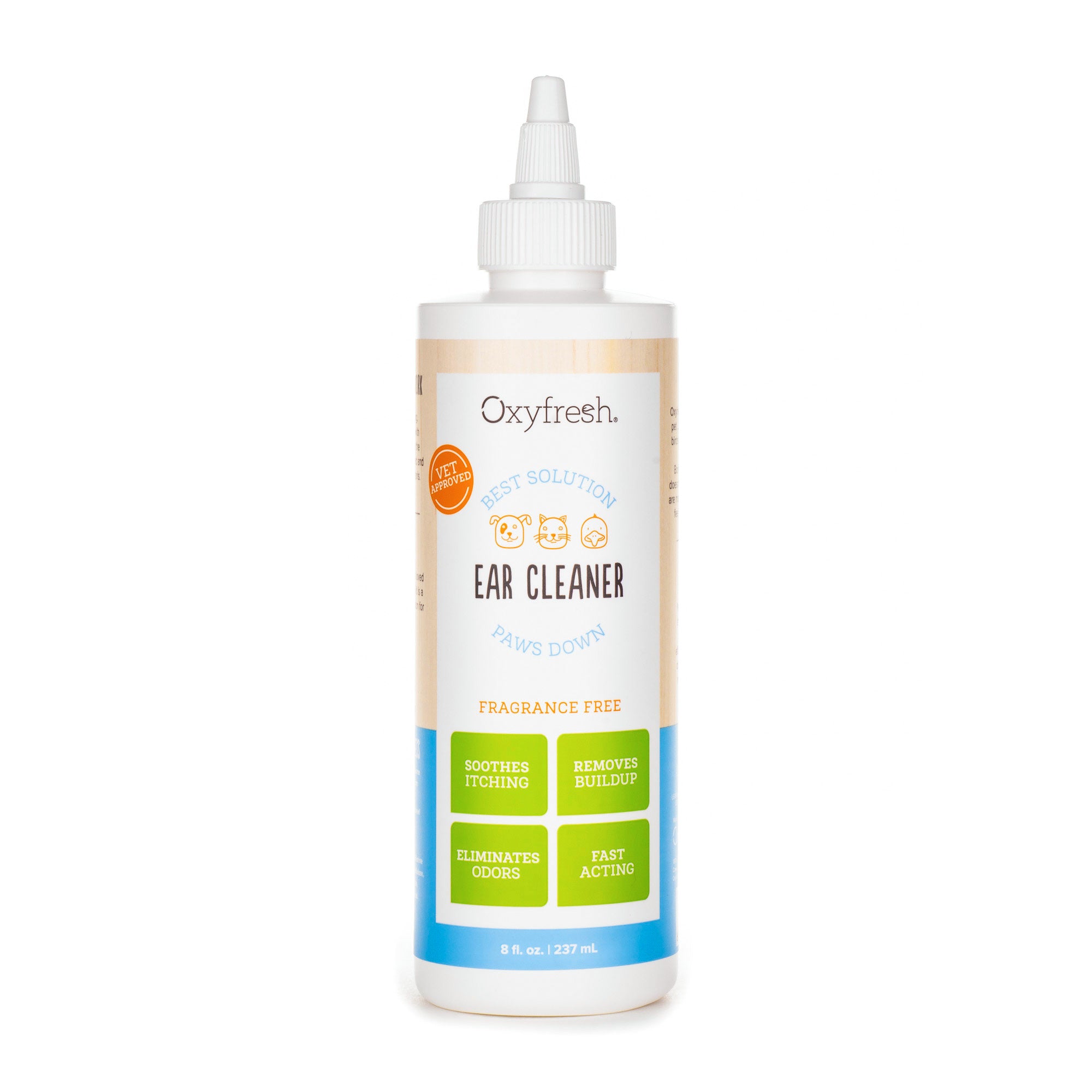
Oxyfresh Advanced Ear Cleanser for Dogs & Cats
A gentle, vet-approved ear cleaner that helps remove wax and debris without the use of harsh chemicals.
Shop this
MidWest Homes for Pets Dog Crate
Helps you establish a dedicated safe zone where your dog can retreat and feel secure when they are feeling overwhelmed.
Shop thisUnder the Weather Freeze-Dried Bland Diet for Dogs (Chicken & Rice)
Provides the vet-recommended bland meal of boiled chicken and white rice in a convenient, shelf-stable format to settle upset stomachs.
Shop this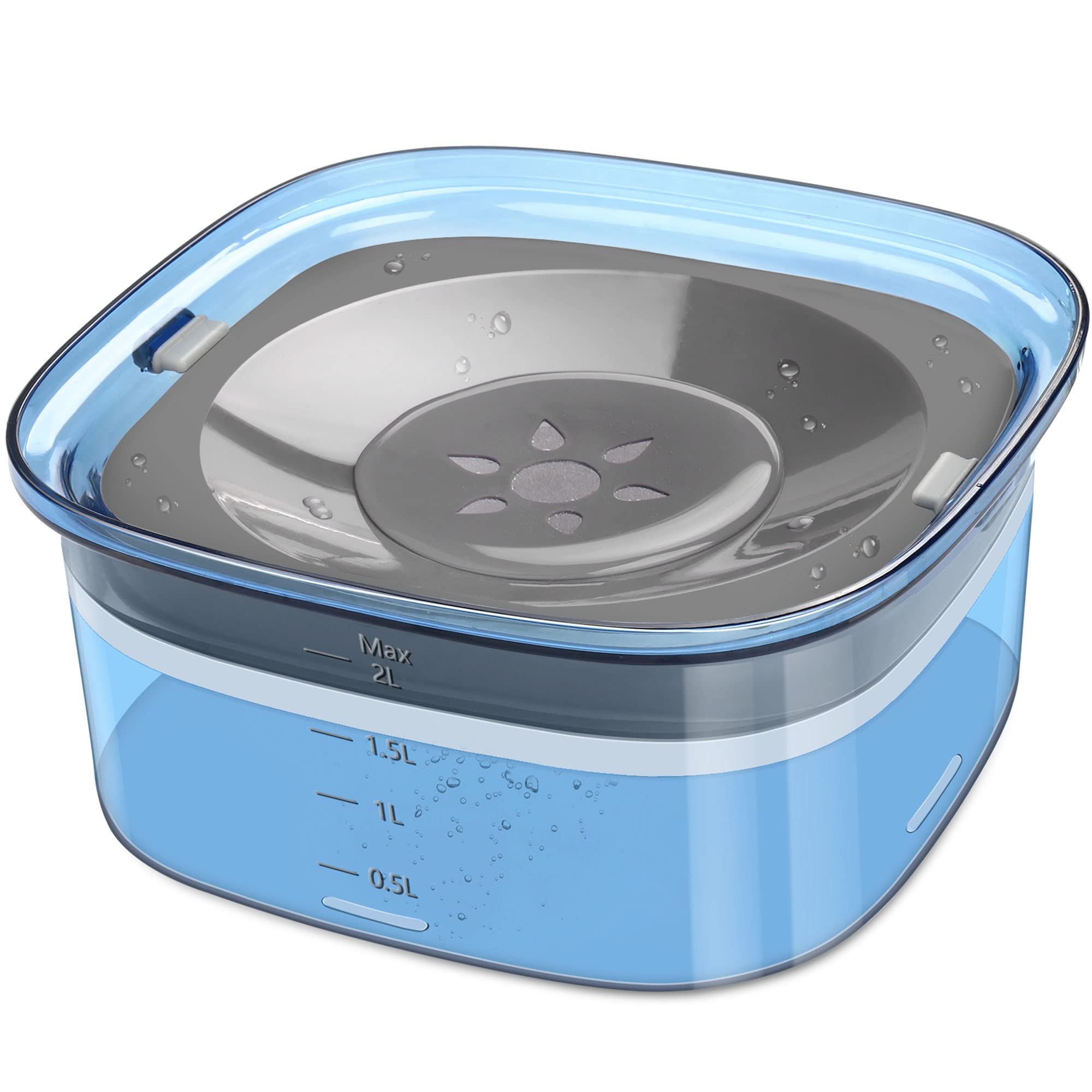
UPSKY Dog Water Bowl No-Spill Slow Water Feeder
Encourages the "small frequent sips" recommended in the content by preventing dogs from taking big gulps that can trigger vomiting.
Shop this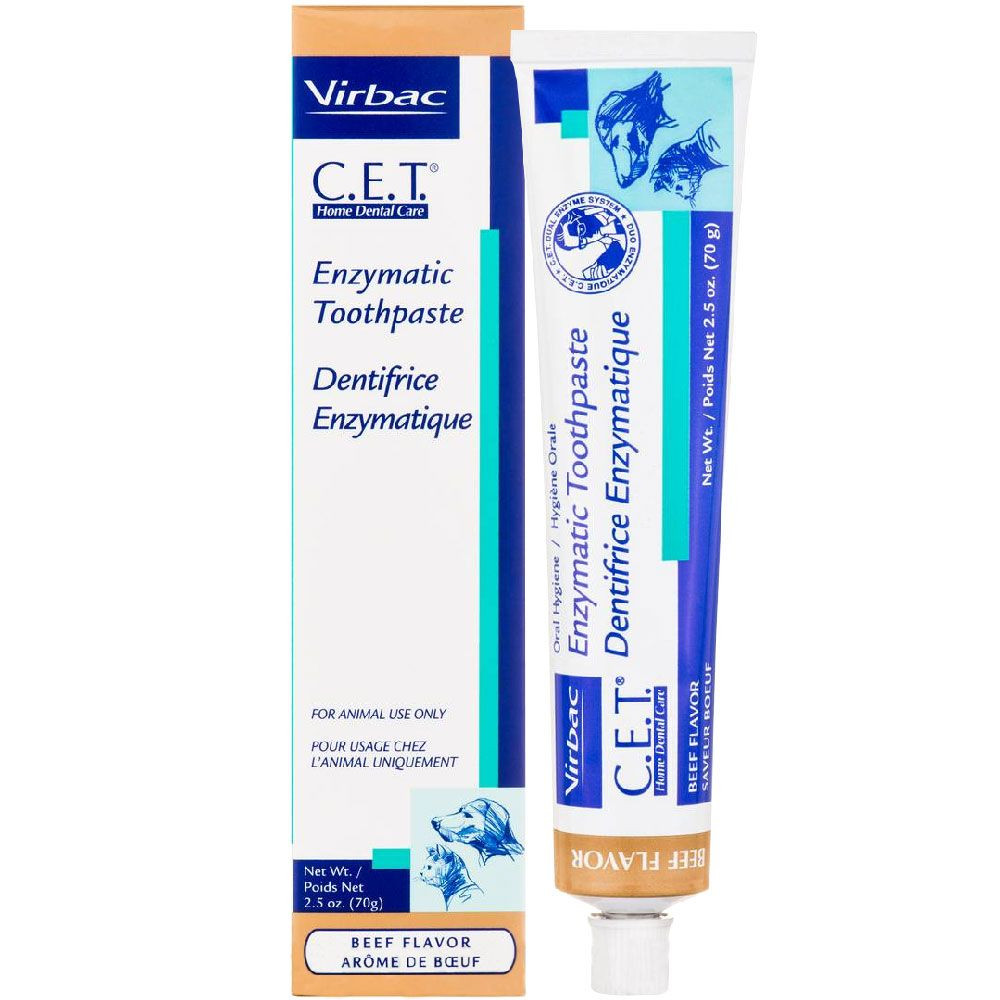
Virbac C.E.T. Enzymatic Toothpaste for Dogs
This enzymatic toothpaste is essential because human toothpaste is toxic, and its poultry flavor helps dogs enjoy the licking stage of training.
Shop thisFloyd's Love is educational. Our lessons, breed guides, and personalized assessments are for general information and preparation only — they are not a substitute for professional veterinary care or advice from a qualified veterinarian or animal behaviorist. Always consult your vet for medical concerns and a qualified professional for behavior issues.