
Vaccines: the core schedule explained
4 min read
Vaccines are the cheapest, most effective protection your dog will ever get. Here's the plain-English version — your vet tailors the specifics to your dog and where you live.
Core vaccines (for nearly all dogs)
- Rabies — legally required in most places, and fatal if contracted.
- DHPP / DAP — a combination shot covering distemper, hepatitis (adenovirus), parvovirus, and parainfluenza. Parvo in particular is deadly and common in unvaccinated puppies.
Puppies
Puppies get a series, usually starting around 6–8 weeks and repeating every 3–4 weeks until about 16 weeks, because their mother's immunity fades at different times. Until the series is complete, keep them away from unknown dogs and high-traffic dog areas.
Adults
Boosters follow, then core vaccines are typically repeated every 1–3 years depending on the vaccine and your vet's protocol.
Lifestyle (non-core) vaccines
Depending on your dog's life, your vet may recommend Bordetella (kennel cough — often required for boarding, daycare, and grooming), Leptospirosis, Lyme, or Canine influenza.
Do this now
Book a wellness visit, ask which vaccines your dog is due for, and put the next-due dates in your reminders.
General education — your veterinarian sets the right schedule for your dog.
Gear Kerri recommends
A few things that make this easier. As an Amazon Associate, Floyd's Love earns from qualifying purchases — at no extra cost to you.
Puppy Training Journal and Health Record
Specifically designed to track a puppy's initial 6-16 week vaccine series and early wellness milestones.
Shop this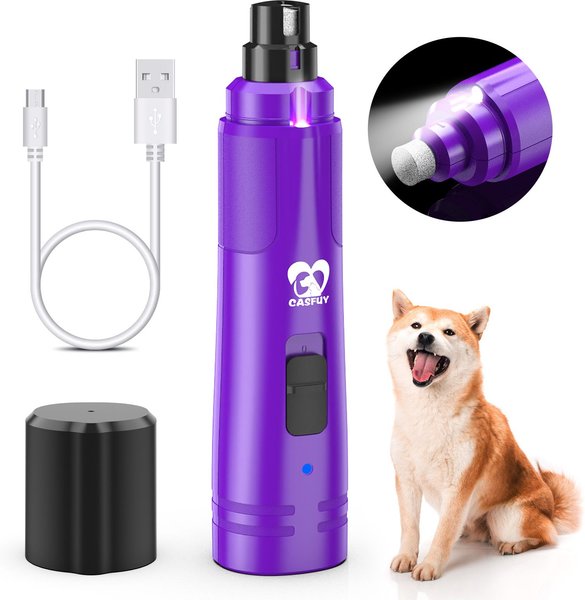
Casfuy 2-Speed Electric Rechargeable Dog Nail Grinder
A quiet, rechargeable nail grinder that provides a gentle alternative to clippers for at-home nail maintenance.
Shop thisHertzko Self-Cleaning Slicker Brush
An effective tool for daily brushing to prevent mats and distribute healthy oils across your dog's coat.
Shop this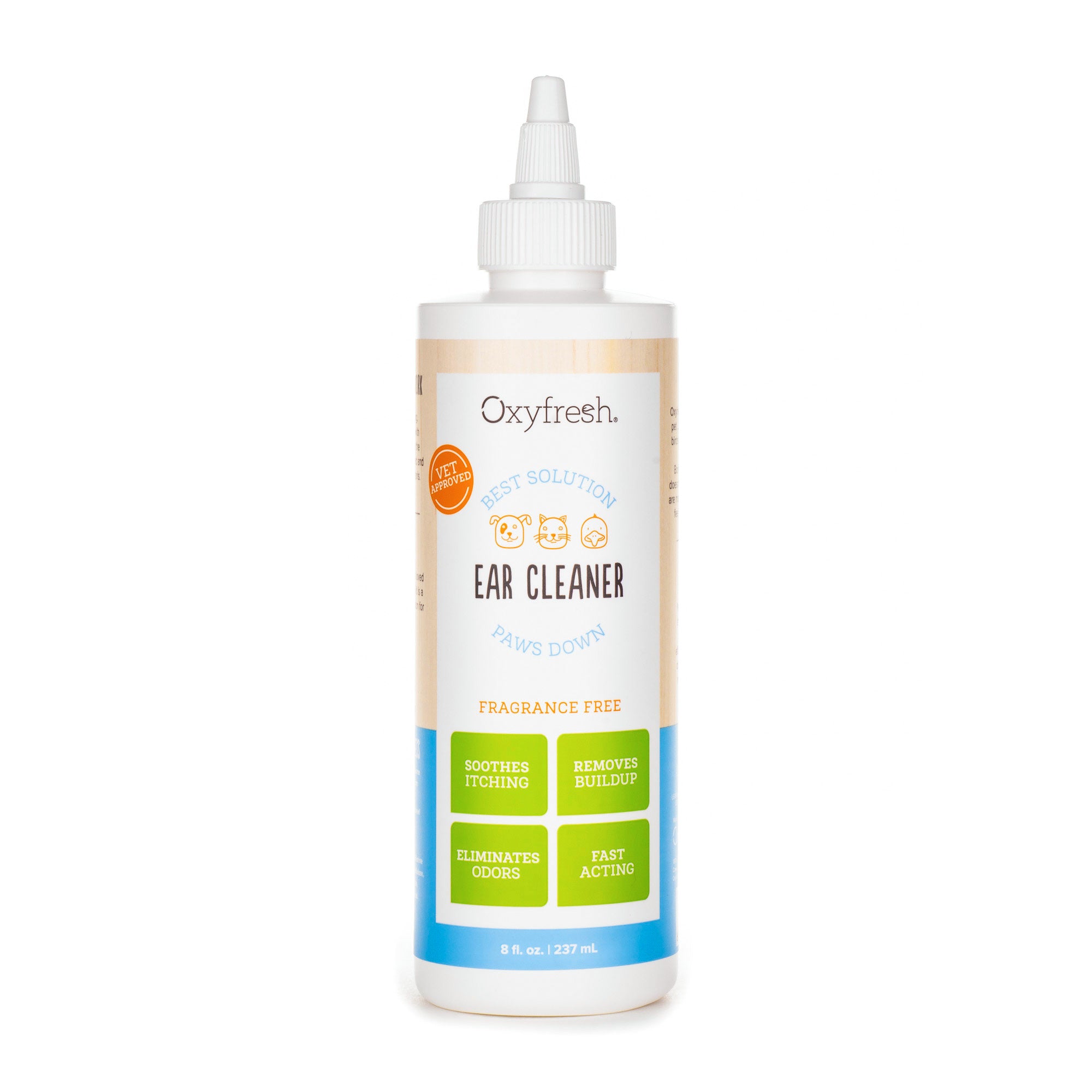
Oxyfresh Advanced Ear Cleanser for Dogs & Cats
A gentle, vet-approved ear cleaner that helps remove wax and debris without the use of harsh chemicals.
Shop this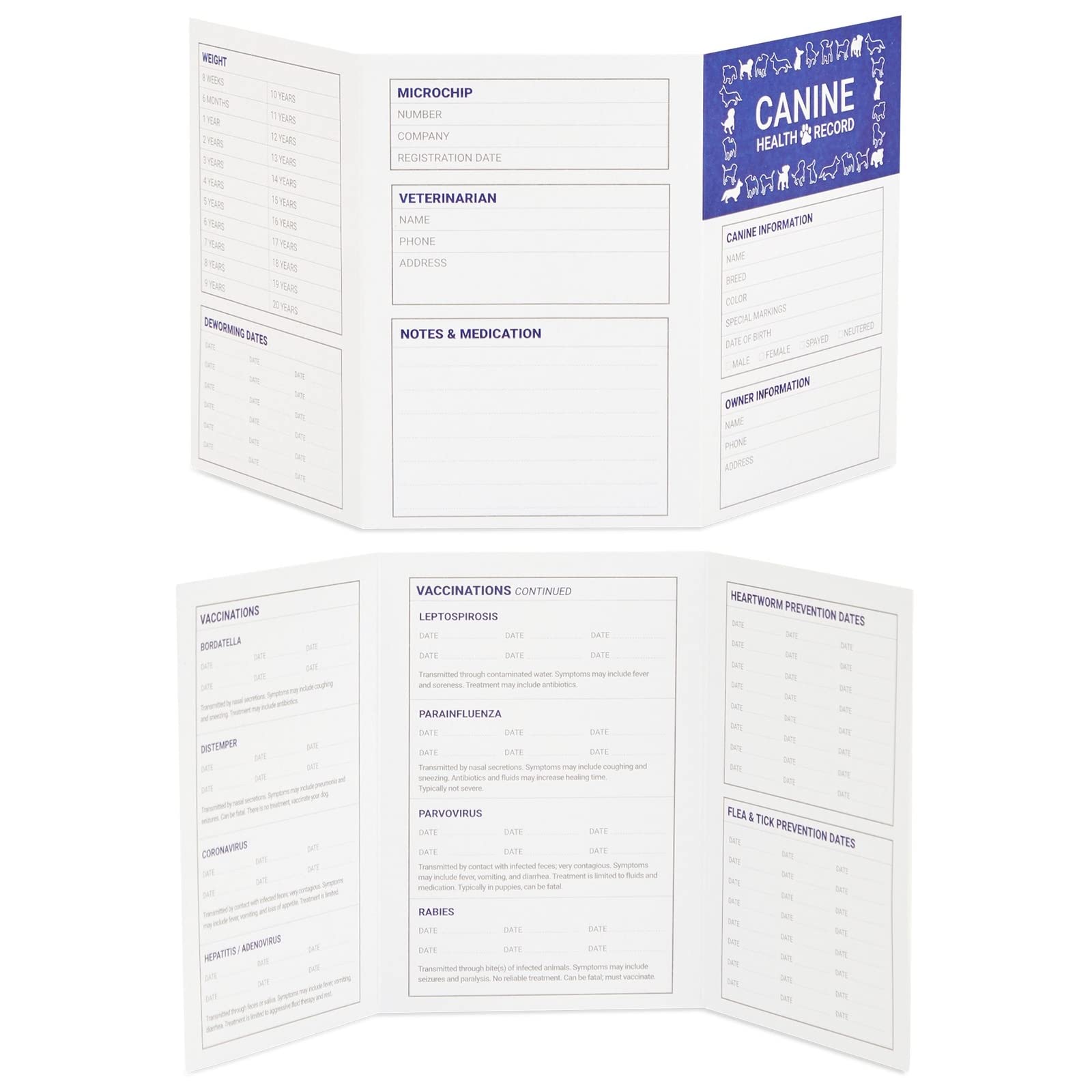
Juvale 20-Pack Puppy Vaccination Record Cards
These tri-fold cards provide a dedicated space to track the DHPP and Rabies series mentioned in the core vaccine schedule.
Shop thisPet Care Planner and Health Tracker
Helps you follow the 'Do This Now' advice by organizing wellness visit dates and future vaccine reminders in one place.
Shop thisFloyd's Love is educational. Our lessons, breed guides, and personalized assessments are for general information and preparation only — they are not a substitute for professional veterinary care or advice from a qualified veterinarian or animal behaviorist. Always consult your vet for medical concerns and a qualified professional for behavior issues.