Dental care that actually matters
4 min read
Dental disease is one of the most common — and most overlooked — health problems in dogs. By age three, most dogs have some. It's painful, it's linked to heart, liver, and kidney problems, and it's largely preventable.
The gold standard: brushing
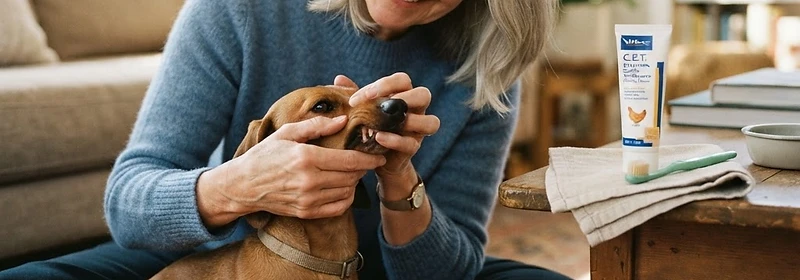
Brushing is the single best thing you can do. Use a dog toothbrush or finger brush and dog-specific toothpaste — never human toothpaste, which contains fluoride and sometimes xylitol, both toxic to dogs. Aim for daily; even a few times a week helps. Go slow and keep it positive.
Other tools that help
- Vet-approved dental chews (look for the VOHC seal)
- Dental diets for dogs prone to buildup
- Water additives as a supplement, not a substitute
Professional cleanings
Even with home care, most dogs need periodic professional cleanings under anesthesia, where the vet cleans below the gumline and checks for problems. "Anesthesia-free" cleanings only address the visible surface and can miss disease.
Watch for
Bad breath (not normal!), red or bleeding gums, yellow-brown tartar, drooling, pawing at the mouth, or trouble eating.
Do this now
Start a brushing habit this week and ask your vet to check your dog's teeth at the next visit.
Educational only — your vet should assess your dog's mouth and advise on cleanings.
Gear Kerri recommends
A few things that make this easier. As an Amazon Associate, Floyd's Love earns from qualifying purchases — at no extra cost to you.
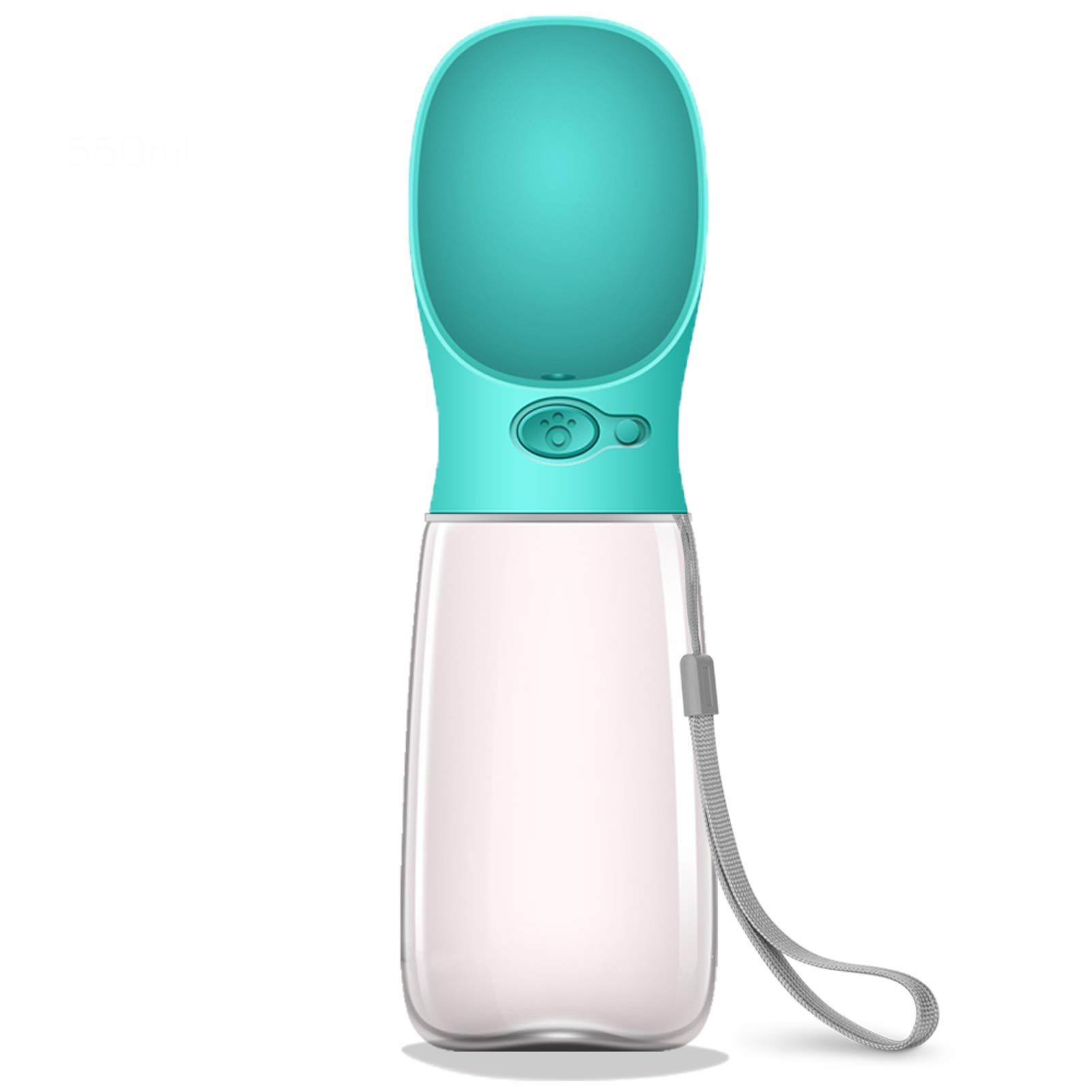
MalsiPree Leak Proof Portable Dog Water Bottle
A leak-proof, one-handed water dispenser, rated highly in [Best Dog Water Bottles of 2026](https://www.treelinereview.com/gearreviews/best-dog-water-bottles), makes it easy to keep your dog hydrated during practice drives and long journeys.
Shop this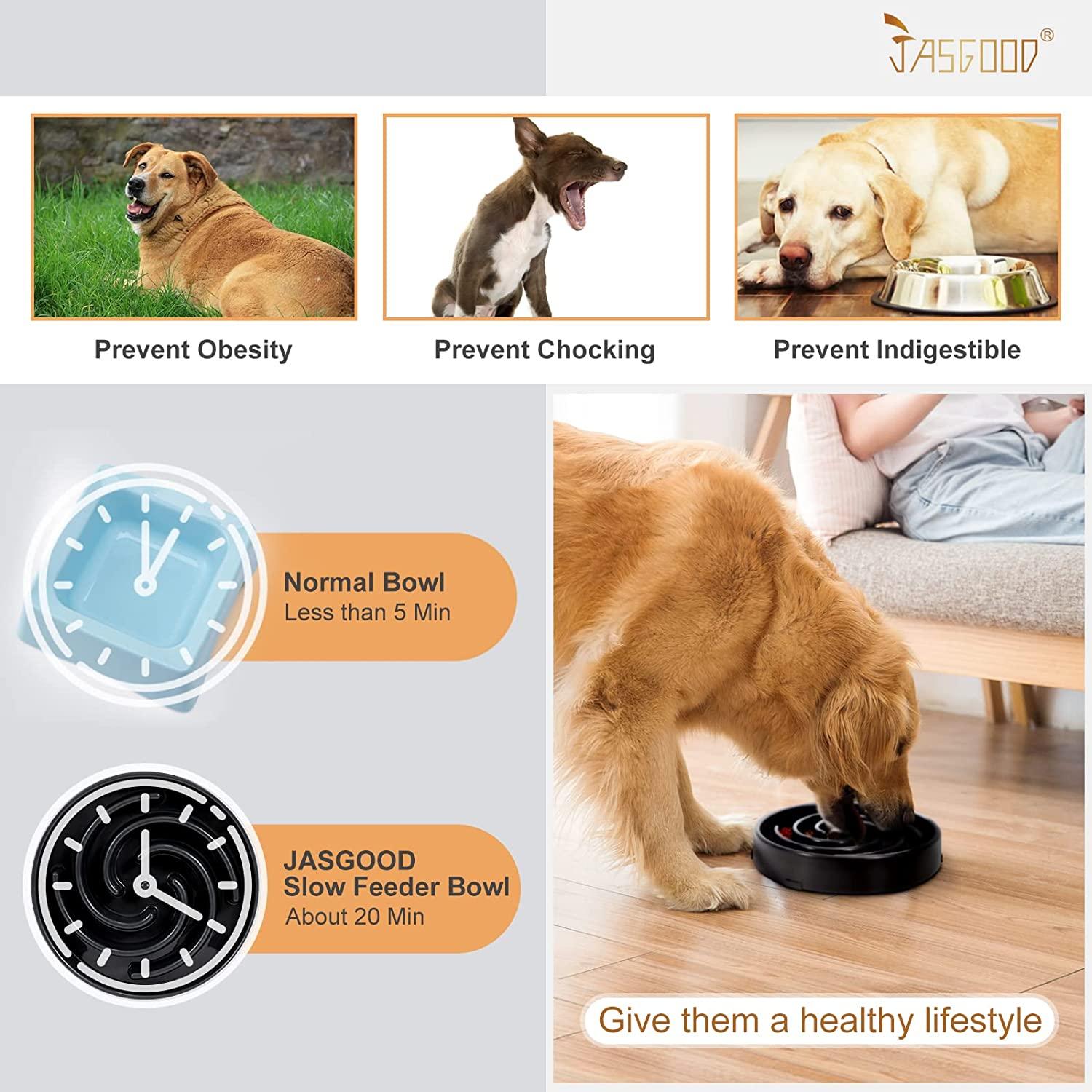
JASGOOD Slow Feeder Dog Bowl
Helps prevent rapid eating, which is a significant risk factor for bloat in deep-chested dogs.
Shop thisMagnetic List of Toxic & Safe Plants and Foods for Pets
Keep the pet poison hotline numbers and a list of common culprits like xylitol and grapes visible on your fridge for the instant reference this guide recommends.
Shop thisHertzko Self-Cleaning Slicker Brush
An effective tool for daily brushing to prevent mats and distribute healthy oils across your dog's coat.
Shop this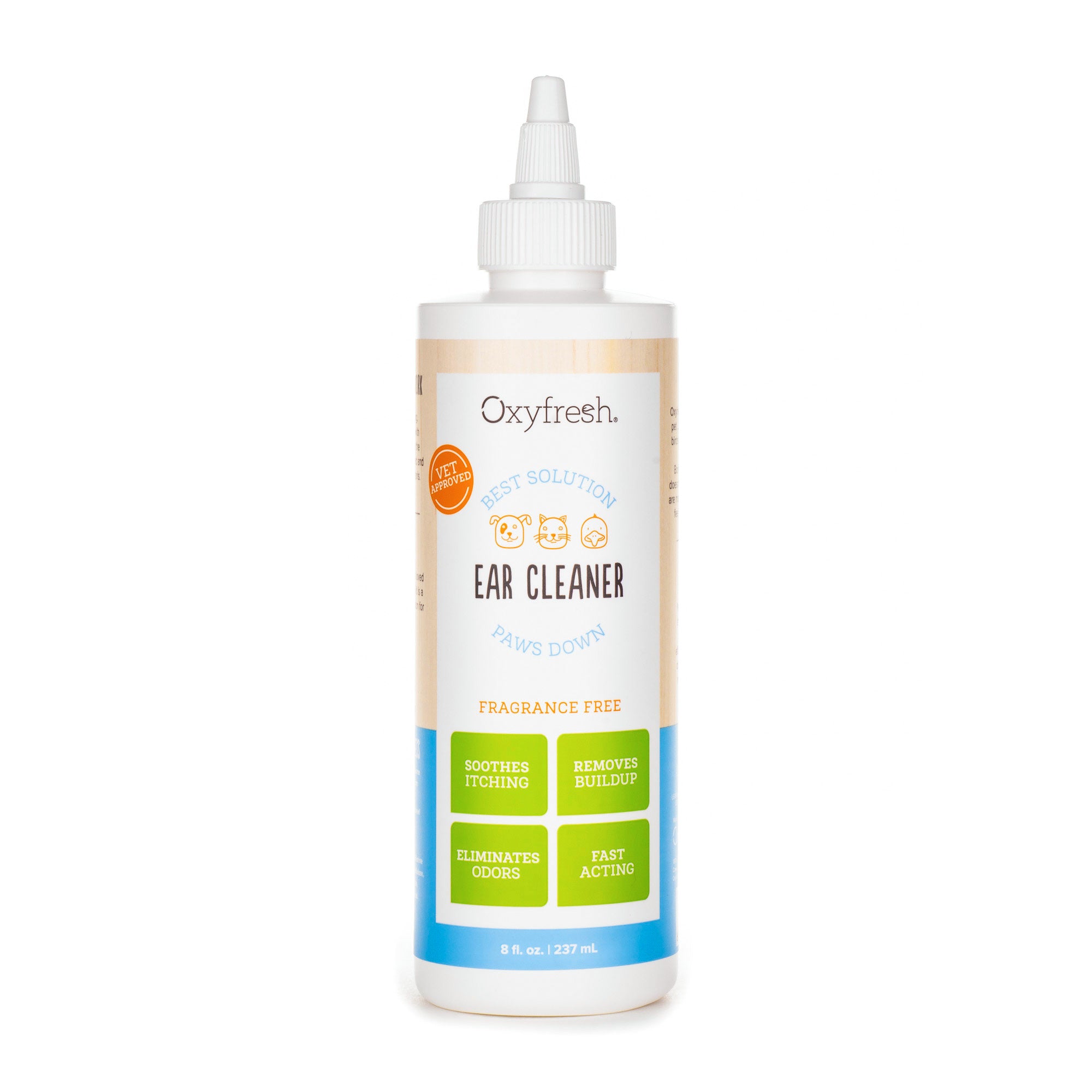
Oxyfresh Advanced Ear Cleanser for Dogs & Cats
A gentle, vet-approved ear cleaner that helps remove wax and debris without the use of harsh chemicals.
Shop this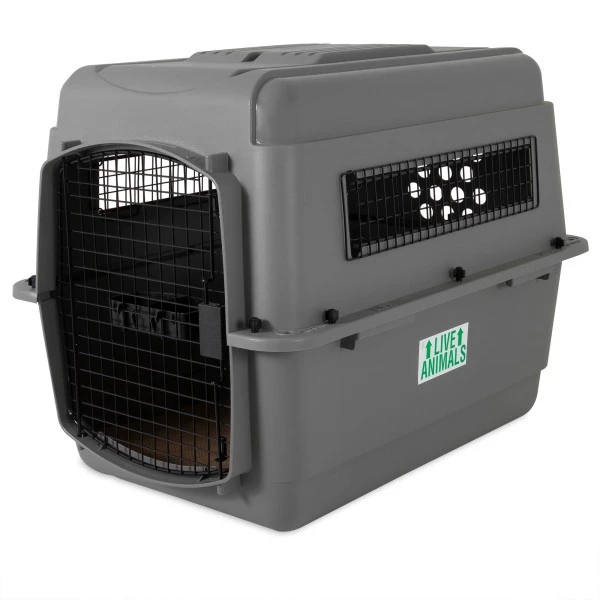
Petmate Sky Kennel Pet Carrier
Meeting strict IATA requirements for [Air Travel](https://www.amazon.com/clp/B00AAPGA2W), this heavy-duty kennel provides the secure, airline-approved environment necessary for safe flights.
Shop thisFloyd's Love is educational. Our lessons, breed guides, and personalized assessments are for general information and preparation only — they are not a substitute for professional veterinary care or advice from a qualified veterinarian or animal behaviorist. Always consult your vet for medical concerns and a qualified professional for behavior issues.