Feeding and weight: getting it right
4 min read
More than half of dogs are overweight, and most of their owners don't realize it. A lean dog lives longer, moves easier, and hurts less. Getting food right is one of the biggest levers you have.
How much to feed
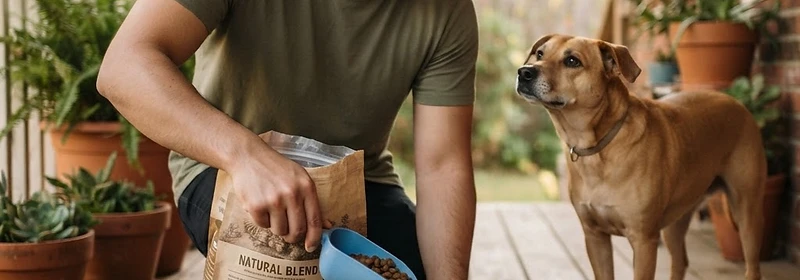
The bag's guidelines are a starting point, not gospel — they often overestimate. Feed the dog in front of you, not the label. Measure meals with an actual measuring cup, and count treats (keep them under ~10% of daily calories — they add up fast).
Know a healthy body condition
- You should feel the ribs easily under a light layer, without pressing hard.
- From above, there's a visible waist behind the ribs.
- From the side, the belly tucks up. No ribs and no waist means cut back; sharp, bony prominence means the opposite.
Choosing a food
Pick a complete-and-balanced food for your dog's life stage (look for an AAFCO statement). Transition to any new food slowly over about a week to avoid stomach upset. Your vet can help you choose — especially for a puppy, senior, or a dog with health issues.
Do this now
Weigh your dog (or check at the vet), honestly assess their body condition, and adjust portions. Recheck monthly.
General guidance — for weight-loss plans or special diets, work with your vet.
Gear Kerri recommends
A few things that make this easier. As an Amazon Associate, Floyd's Love earns from qualifying purchases — at no extra cost to you.
Magnetic List of Toxic & Safe Plants and Foods for Pets
Keep the pet poison hotline numbers and a list of common culprits like xylitol and grapes visible on your fridge for the instant reference this guide recommends.
Shop this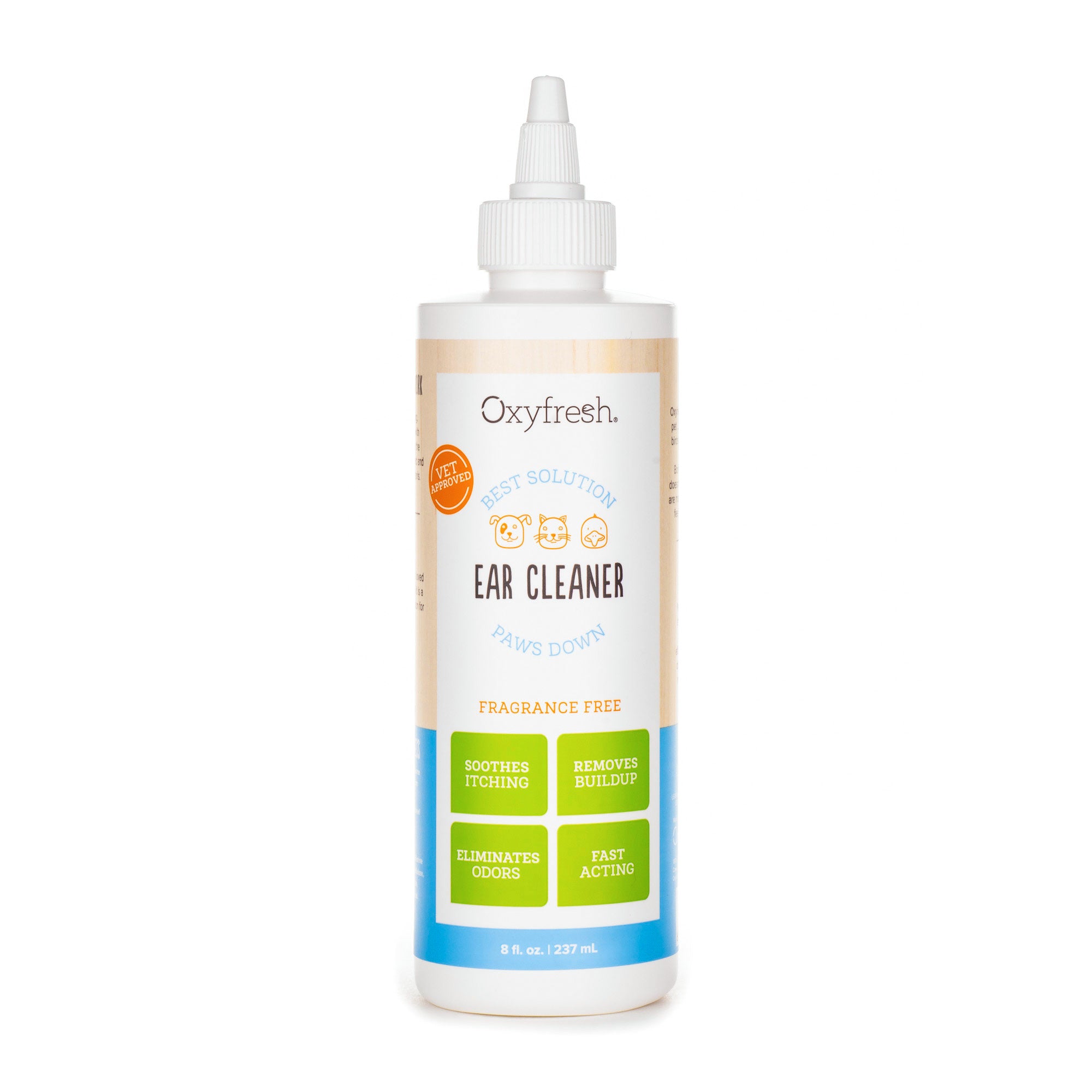
Oxyfresh Advanced Ear Cleanser for Dogs & Cats
A gentle, vet-approved ear cleaner that helps remove wax and debris without the use of harsh chemicals.
Shop thisVila Pet Food Measuring Scoop Set
Provides the precision needed to measure meals accurately rather than relying on often-overestimated bag guidelines.
Shop this
Fruitables Baked Dog Treats (Pumpkin & Blueberry)
A low-calorie reward option that makes it easy to keep treats under the recommended 10% of daily caloric intake.
Shop this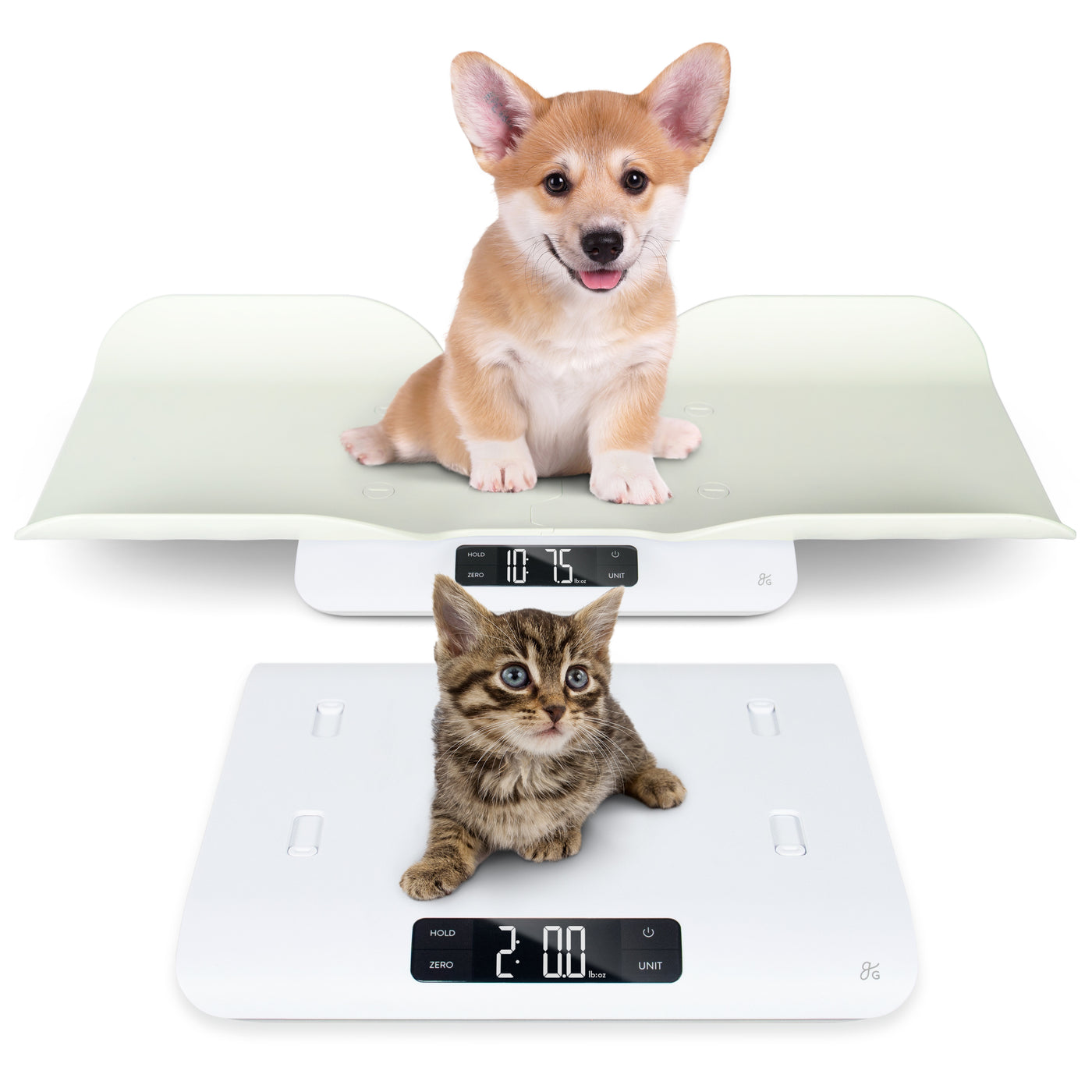
Greater Goods Digital Pet Scale
Allows for the monthly weight checks recommended in the content to accurately assess and adjust your dog's body condition.
Shop thisUnder the Weather Freeze-Dried Bland Diet for Dogs (Chicken & Rice)
Provides the vet-recommended bland meal of boiled chicken and white rice in a convenient, shelf-stable format to settle upset stomachs.
Shop thisFloyd's Love is educational. Our lessons, breed guides, and personalized assessments are for general information and preparation only — they are not a substitute for professional veterinary care or advice from a qualified veterinarian or animal behaviorist. Always consult your vet for medical concerns and a qualified professional for behavior issues.