
Grooming basics at home: nails, ears, coat, teeth
4 min read
Regular grooming isn't just about looks — it's how you catch problems early and keep your dog comfortable. Here's the at-home routine that matters most.
Nails
Overgrown nails are painful and change how a dog walks. Trim every few weeks — if you hear clicking on the floor, they're too long. Clip a little at a time to avoid the quick (the blood vessel inside); for dark nails, take thin slices. A grinder is a gentler option. Pair it with treats.
Ears
Peek inside weekly. A little wax is normal; redness, a bad smell, dark discharge, or head-shaking means a vet visit. Clean only when needed with a vet-approved ear cleaner — never push cotton swabs down the canal.
Coat and skin
Brush regularly (daily for long or double coats) to prevent mats and spread healthy oils. It's also your chance to feel for lumps, fleas, ticks, or sore spots. Bathe only when needed with a dog shampoo — over-bathing dries the skin.
Teeth
Brush with dog toothpaste — see the dental article for how.
Do this now
Pick one grooming task to do this week and pair it with treats so your dog learns it's no big deal. Handle paws and ears gently and often.
General guidance — a groomer or vet can show you technique and handle anxious or matted dogs.
Gear Kerri recommends
A few things that make this easier. As an Amazon Associate, Floyd's Love earns from qualifying purchases — at no extra cost to you.
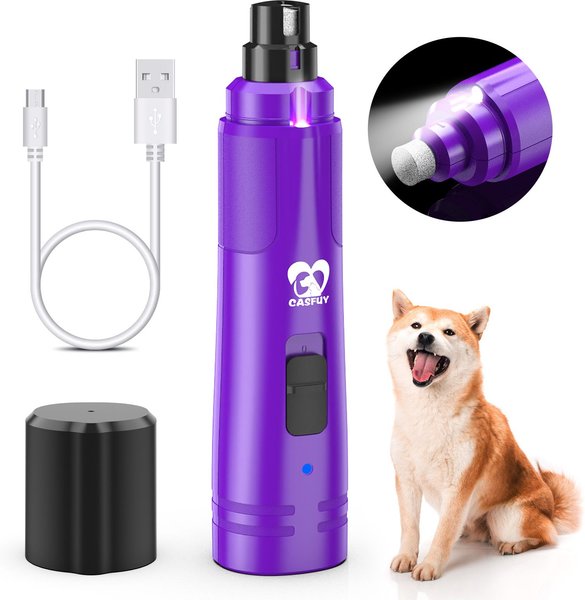
Casfuy 2-Speed Electric Rechargeable Dog Nail Grinder
A quiet, rechargeable nail grinder that provides a gentle alternative to clippers for at-home nail maintenance.
Shop thisHertzko Self-Cleaning Slicker Brush
An effective tool for daily brushing to prevent mats and distribute healthy oils across your dog's coat.
Shop this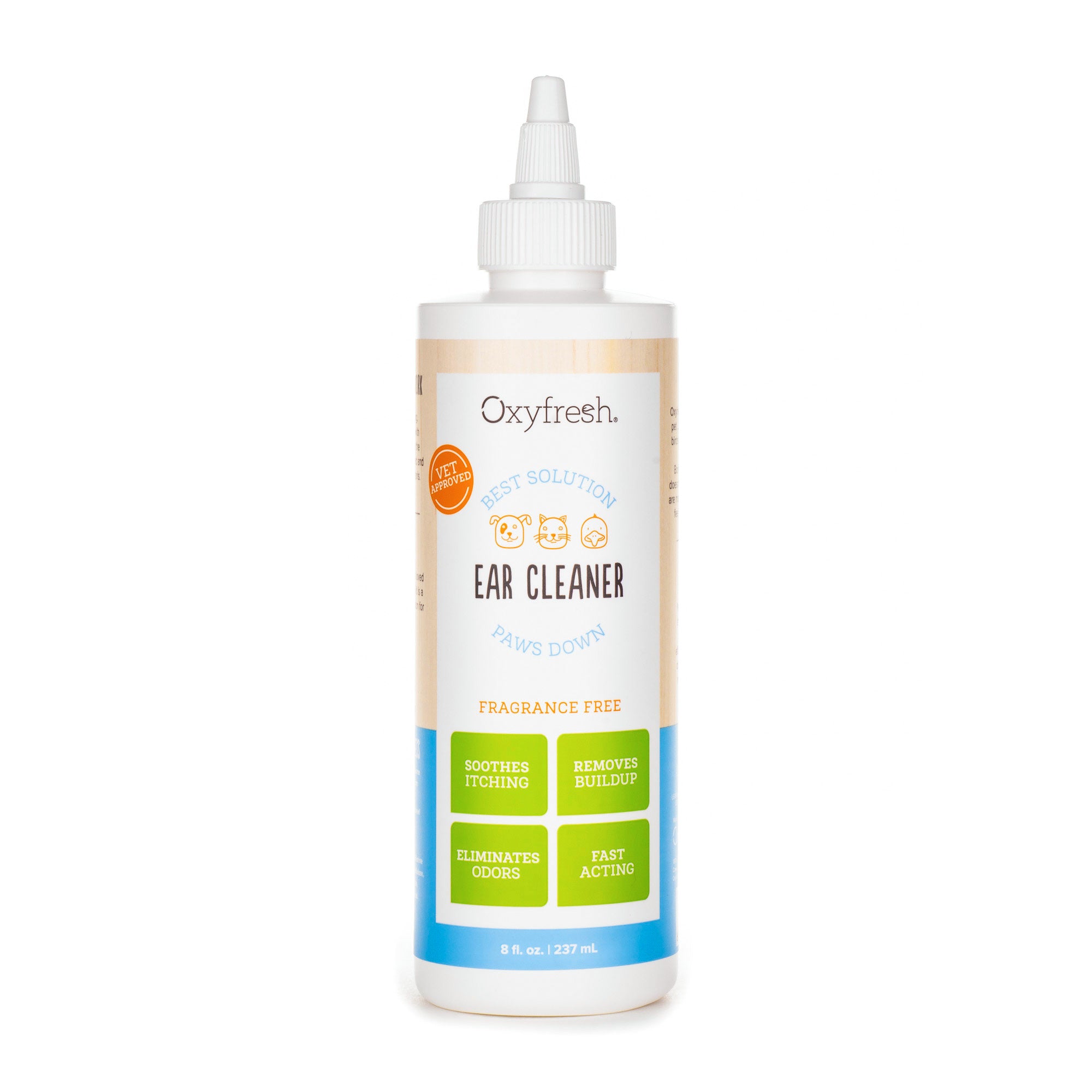
Oxyfresh Advanced Ear Cleanser for Dogs & Cats
A gentle, vet-approved ear cleaner that helps remove wax and debris without the use of harsh chemicals.
Shop this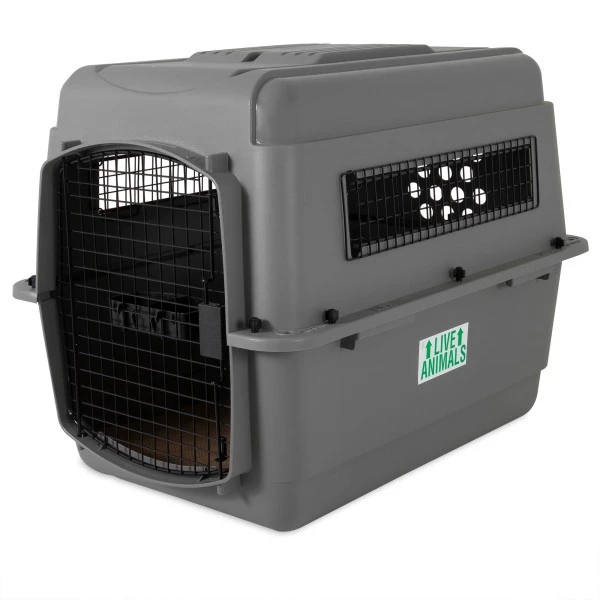
Petmate Sky Kennel Pet Carrier
Meeting strict IATA requirements for [Air Travel](https://www.amazon.com/clp/B00AAPGA2W), this heavy-duty kennel provides the secure, airline-approved environment necessary for safe flights.
Shop thisPet Care Planner and Health Tracker
Helps you follow the 'Do This Now' advice by organizing wellness visit dates and future vaccine reminders in one place.
Shop this
Vet's Best Dog Toothpaste & Toothbrush Dental Care Kit
This kit provides the 'gold standard' of care with dog-safe enzymatic toothpaste and a brush to prevent painful dental disease.
Shop thisFloyd's Love is educational. Our lessons, breed guides, and personalized assessments are for general information and preparation only — they are not a substitute for professional veterinary care or advice from a qualified veterinarian or animal behaviorist. Always consult your vet for medical concerns and a qualified professional for behavior issues.