
Hot weather and heatstroke prevention
4 min read
Dogs cool themselves mainly by panting, which makes heat genuinely dangerous for them — heatstroke can kill in minutes. A little planning keeps summer safe.
Prevent it
- Never leave a dog in a parked car — even a few minutes, even with the windows cracked, can be fatal.
- Walk in the early morning or evening, not midday heat.
- Test the pavement: press the back of your hand to it for 7 seconds. Too hot for your hand means too hot for paws.
- Always offer shade and fresh water, and bring water on outings.
- Know the high-risk dogs: flat-faced breeds (bulldogs, pugs), seniors, puppies, overweight dogs, and thick-coated breeds overheat faster.
Recognize heatstroke
Heavy, frantic panting; drooling; bright red gums; wobbliness or weakness; vomiting; collapse.
If it happens — act fast
Move to shade or AC, offer small sips of water, and wet them with cool (not ice-cold) water, especially the belly and paws. Then get to a vet immediately — heatstroke can cause internal damage even after they seem to recover.
Do this now
Set a summer rule for walk times, and never rely on "just a quick errand" with the dog in the car.
Educational only — heatstroke is always an emergency; cool and go.
Gear Kerri recommends
A few things that make this easier. As an Amazon Associate, Floyd's Love earns from qualifying purchases — at no extra cost to you.
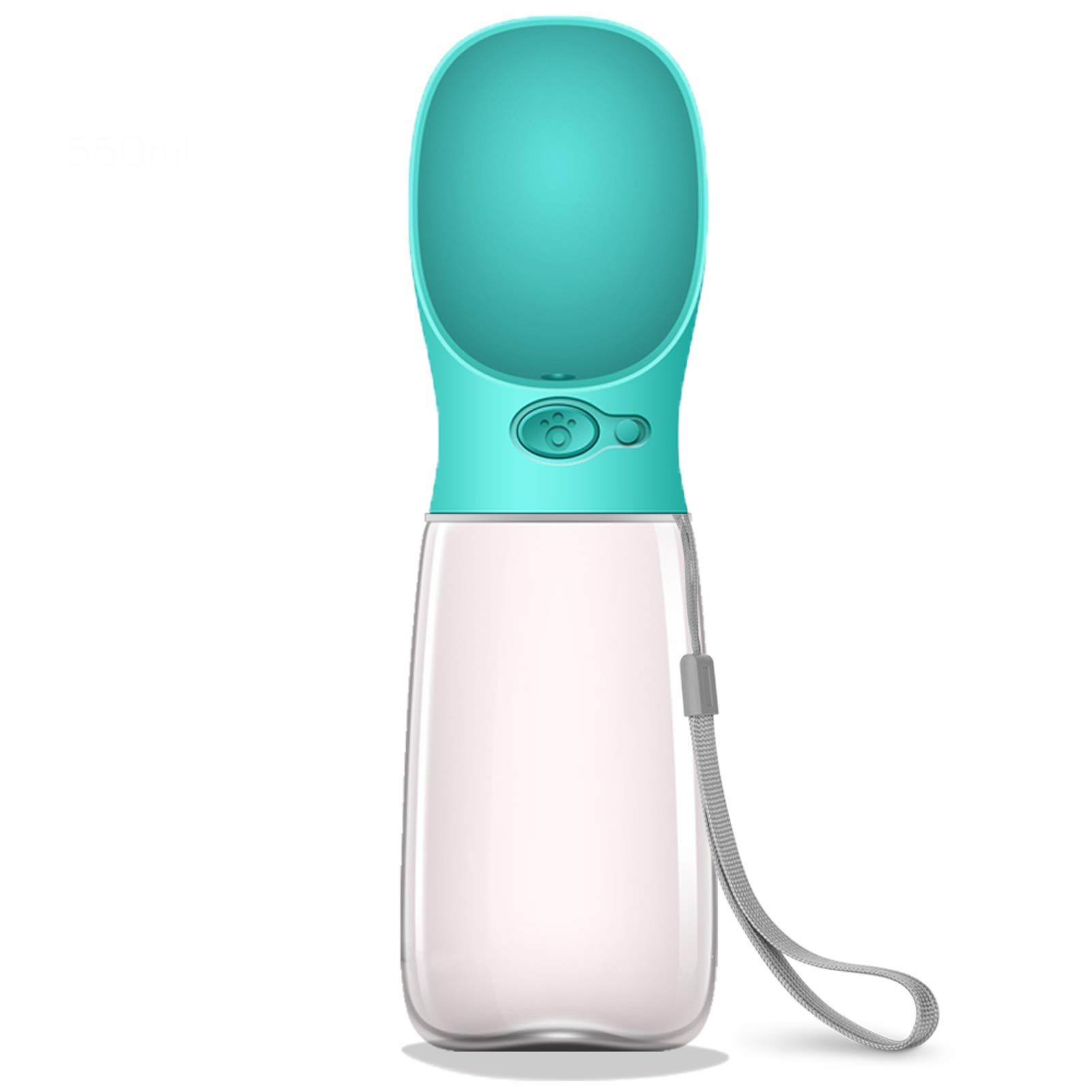
MalsiPree Leak Proof Portable Dog Water Bottle
A leak-proof, one-handed water dispenser, rated highly in [Best Dog Water Bottles of 2026](https://www.treelinereview.com/gearreviews/best-dog-water-bottles), makes it easy to keep your dog hydrated during practice drives and long journeys.
Shop this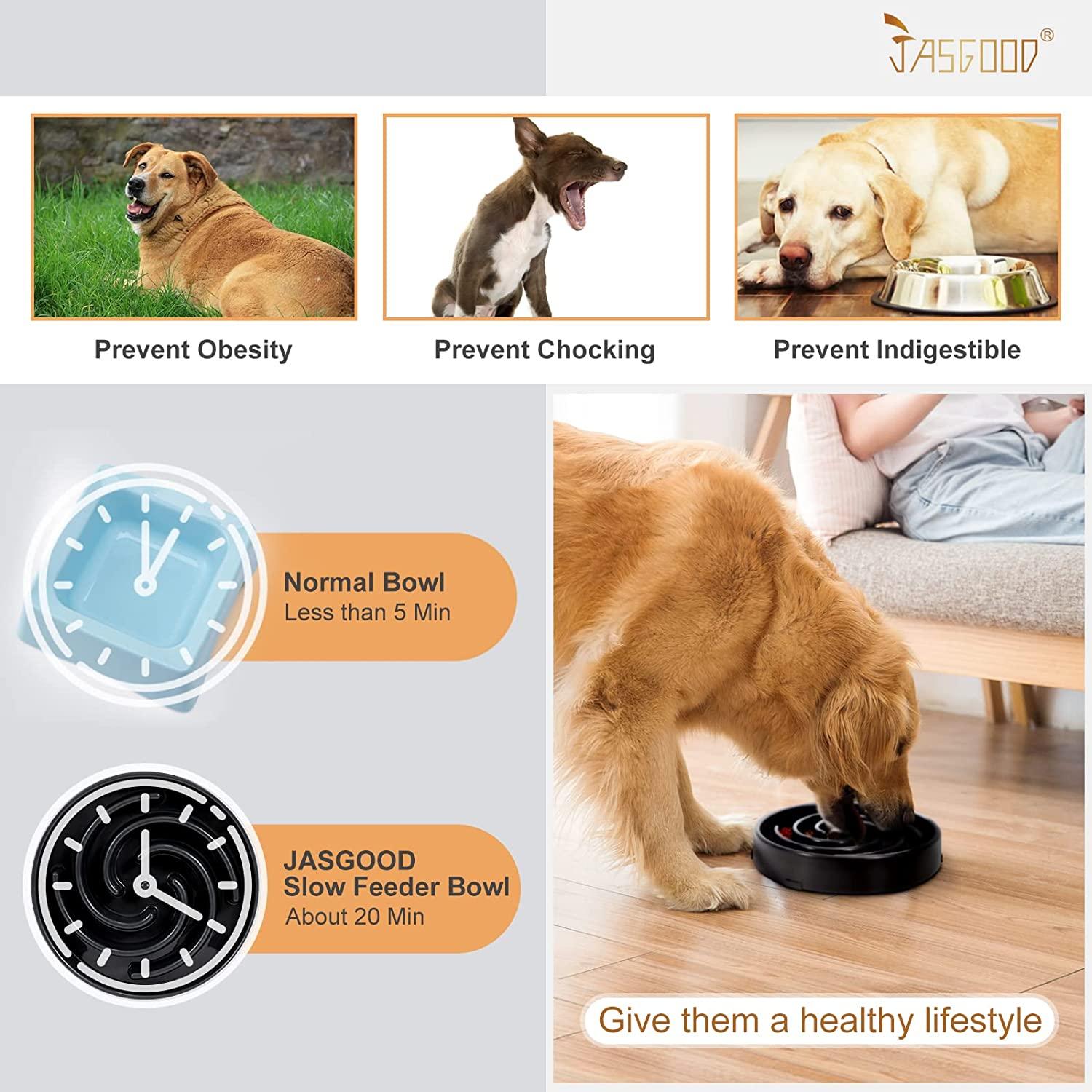
JASGOOD Slow Feeder Dog Bowl
Helps prevent rapid eating, which is a significant risk factor for bloat in deep-chested dogs.
Shop thisMagnetic List of Toxic & Safe Plants and Foods for Pets
Keep the pet poison hotline numbers and a list of common culprits like xylitol and grapes visible on your fridge for the instant reference this guide recommends.
Shop this
My Dog is Home Alone Pet Alert Emergency ICE ID Card
Ensures your vet and emergency contact information are always in your wallet so you can call for help immediately during a crisis.
Shop thisHertzko Self-Cleaning Slicker Brush
An effective tool for daily brushing to prevent mats and distribute healthy oils across your dog's coat.
Shop this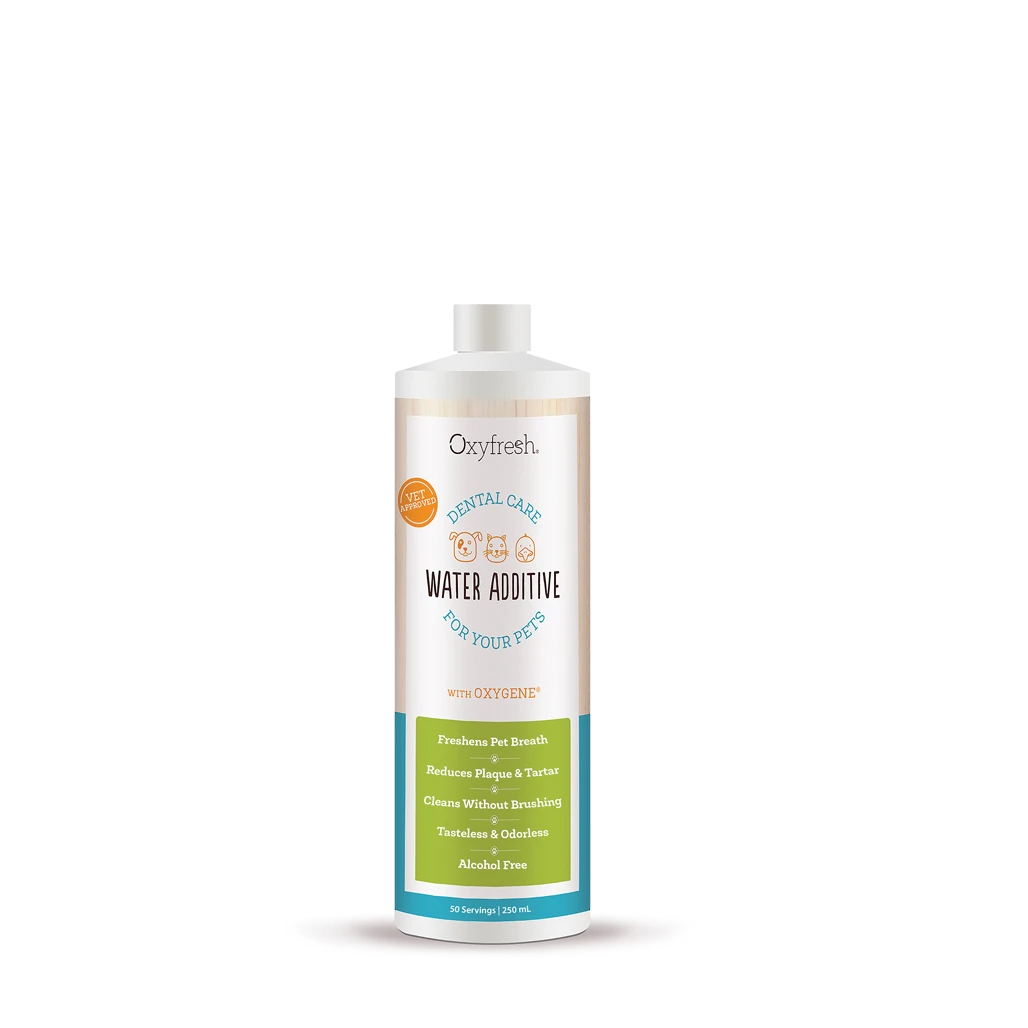
Oxyfresh Premium Pet Dental Care Solution
A simple supplement to brushing that helps fight bacteria and bad breath, which the content notes is a key sign of dental problems.
Shop thisFloyd's Love is educational. Our lessons, breed guides, and personalized assessments are for general information and preparation only — they are not a substitute for professional veterinary care or advice from a qualified veterinarian or animal behaviorist. Always consult your vet for medical concerns and a qualified professional for behavior issues.