
Why Is My Dog Limping? Common Causes and What to Do
4 min read
Dogs limp when putting full weight on a leg causes pain or mechanical discomfort, usually due to a minor paw injury, joint sprain, or underlying arthritis. While seeing your dog favor a leg can be alarming, a calm, gentle check at home often helps you determine whether they need emergency attention or a scheduled vet check.
Whether you brought home a bounding shelter puppy or live with a graceful senior from a rescue or ethical breeder, mobility changes happen. Here is what you need to know about sudden limping, common triggers, and how to safely inspect their leg.
What causes sudden limping in dogs?
Sudden limping—often called acute lameness—most frequently stems from minor paw pad injuries, strained soft tissues, or foreign objects stuck between the toes.
When a dog suddenly refuses to bear weight after playing or running in the yard, common reasons include:
- Paw pad cuts or foreign bodies: Stepping on sharp gravel, thorns, burrs, glass, or compacted ice balls can make walking uncomfortable instantly.
- Broken or torn toenails: A snagged dewclaw or cracked nail exposes sensitive, nerve-rich quick tissue, causing sudden sharp pain.
- Sprains and soft-tissue strains: High-speed pivots, jumping off furniture, or rough-and-tumble play can pull ligaments or muscles, much like a rolled human ankle.
- Insect bites or stings: Wasp stings, ant bites, or bee stings directly on a paw pad trigger localized swelling, heat, and immediate limping.
- Cruciate ligament tears or fractures: Serious injuries to the knee joint (such as a torn cranial cruciate ligament, or CCL) or sudden bone trauma cause intense, immediate lameness.
Why is my dog limping gradually or only after resting?
Gradual limping that worsens over time, or stiffness that appears right after getting up from a nap, is typically linked to joint wear, arthritis, or growing pains.
If the limp started subtly or seems linked to daily activity patterns, consider these possibilities:
- Osteoarthritis: Very common in middle-aged and senior dogs, arthritis causes stiff, slow movements after rest that often "warm up" after a few minutes of gentle walking.
- Hip or elbow dysplasia: Developmental joint issues can trigger chronic inflammation and periodic limping, especially after strenuous exercise.
- Tick-borne infections: Conditions like Lyme disease often present as shifting-leg lameness, where different joints swell or ache on different days.
- Panosteitis: Often seen in rapidly growing young large-breed dogs, this temporary bone inflammation can cause intermittent limping that moves between limbs.
How can I safely check my dog's paw and leg at home?
To check your dog's leg safely, wait until they are calm and gently inspect the foot starting at the toenails before moving upward toward the shoulder or hip.
Remember that even the gentlest dog may snap or pull away if you touch a tender, painful spot. Move slowly, speak soothingly, and stop immediately if your dog shows tension, whale eye, or growling.
Follow these steps:
- Inspect the paw pads: Check the bottom of the foot for cuts, scrapes, blisters, or embedded thorns.
- Spread the toes gently: Look between the webbed skin for burrs, ticks, redness, or swelling.
- Examine the nails: Look closely at each nail and dewclaw to ensure none are cracked, split, or bleeding.
- Gently feel the joints: Run your hands gently up the ankle, knee, and hip (or wrist, elbow, and shoulder), checking for unusual warmth, hard swelling, or signs of flinching.
Can I give my dog human pain medication for limping?
No, you should never give your dog human pain medication like ibuprofen, naproxen, aspirin, or acetaminophen under any circumstances.
Human over-the-counter painkillers are toxic to dogs and can cause life-threatening stomach ulcers, acute kidney failure, or liver damage even in small amounts. Always leave pain management to your veterinarian, who can prescribe dog-safe anti-inflammatories designed specifically for canine physiology.
When to call your vet
While mild strains may improve with temporary rest, certain warning signs require prompt veterinary care.
Contact your veterinary clinic or emergency hospital right away if your dog:
- Is completely non-weight-bearing (holding the leg completely off the ground)
- Has a visibly misshapen, dangling limb or obvious joint swelling
- Shows severe, vocal pain (crying, yelping, or snapping when touched)
- Has an active, deep bleed or an open wound
- Appears lethargic, refuses food, or develops a fever alongside the limp
- Has been limping for more than 24 to 48 hours without noticeable improvement
For mild stiffness that eases within an hour, restrict their activity by keeping them leashed for bathroom breaks and avoiding stairs or running. If the limp lingers beyond two days, book a routine visit with your veterinarian for a thorough physical exam.
This article is educational and isn't a substitute for veterinary advice. If you're worried about your dog, call your vet.
Gear Kerri recommends
A few things that make this easier. As an Amazon Associate, Floyd's Love earns from qualifying purchases — at no extra cost to you.

JASGOOD Slow Feeder Dog Bowl
Helps prevent rapid eating, which is a significant risk factor for bloat in deep-chested dogs.
Shop this
FDK 8-Second Dog & Cat Thermometer
Provides a quick, accurate way to check for a fever at home when your dog is acting off or lethargic.
Shop thisMagnetic List of Toxic & Safe Plants and Foods for Pets
Keep the pet poison hotline numbers and a list of common culprits like xylitol and grapes visible on your fridge for the instant reference this guide recommends.
Shop this
My Dog is Home Alone Pet Alert Emergency ICE ID Card
Ensures your vet and emergency contact information are always in your wallet so you can call for help immediately during a crisis.
Shop this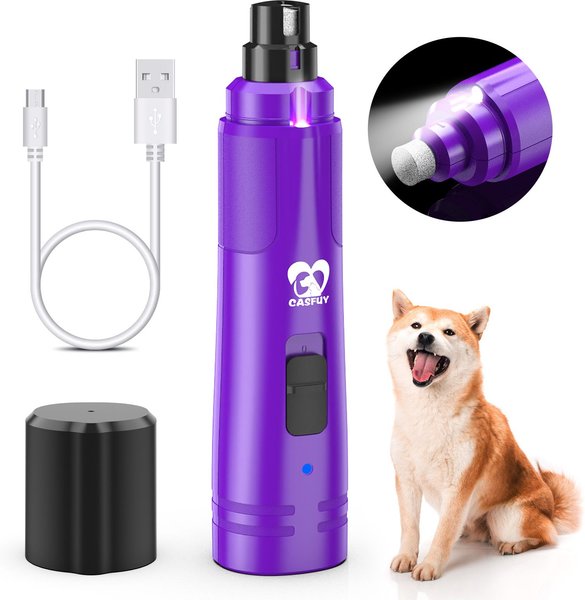
Casfuy 2-Speed Electric Rechargeable Dog Nail Grinder
A quiet, rechargeable nail grinder that provides a gentle alternative to clippers for at-home nail maintenance.
Shop thisHertzko Self-Cleaning Slicker Brush
An effective tool for daily brushing to prevent mats and distribute healthy oils across your dog's coat.
Shop thisFloyd's Love is educational. Our lessons, breed guides, and personalized assessments are for general information and preparation only — they are not a substitute for professional veterinary care or advice from a qualified veterinarian or animal behaviorist. Always consult your vet for medical concerns and a qualified professional for behavior issues.